Trick Considerations When Getting New Shipping Containers for Optimum Performance
When taking into consideration the acquisition of new Shipping containers, a number of crucial elements enter into play. Product quality and sturdiness are extremely important, with Corten steel usually being the favored choice. Size and insulation options also significantly effect performance. Furthermore, safety and security functions and cost factors to consider can not be neglected. Understanding these elements is vital for making an informed decision. As one navigates this landscape, the implications of each option ended up being increasingly obvious.
Product Quality and Durability
When thinking about the acquisition of Shipping containers, worldly top quality and durability arise as essential aspects that influence total efficiency. The most typical material used in Shipping containers is corten steel, understood for its high tensile strength and resistance to corrosion. This type of steel develops a protective aging gradually, boosting its long life in various environmental problems.
Additionally, the container's design must assure architectural honesty under heavy tons and during transportation. Variables such as weld high quality and the density of the steel play considerable functions in figuring out resilience. Purchasers should likewise think about protective finishings that can further enhance resistance to rust and ecological wear.
Inevitably, purchasing high-quality products results in reduced maintenance expenses and a longer life expectancy for the container. Comprehending the products used and their respective advantages is important for anybody looking to buy Shipping containers for personal or commercial usage.
Dimension and Arrangement Options
Comprehending size and setup alternatives is vital when thinking about delivering containers. Standard container dimensions satisfy various storage space and transport demands, while customization opportunities permit customized options. In addition, elements like stackability and ease of access play a crucial duty in maximizing area performance.
Standard Container Capacities
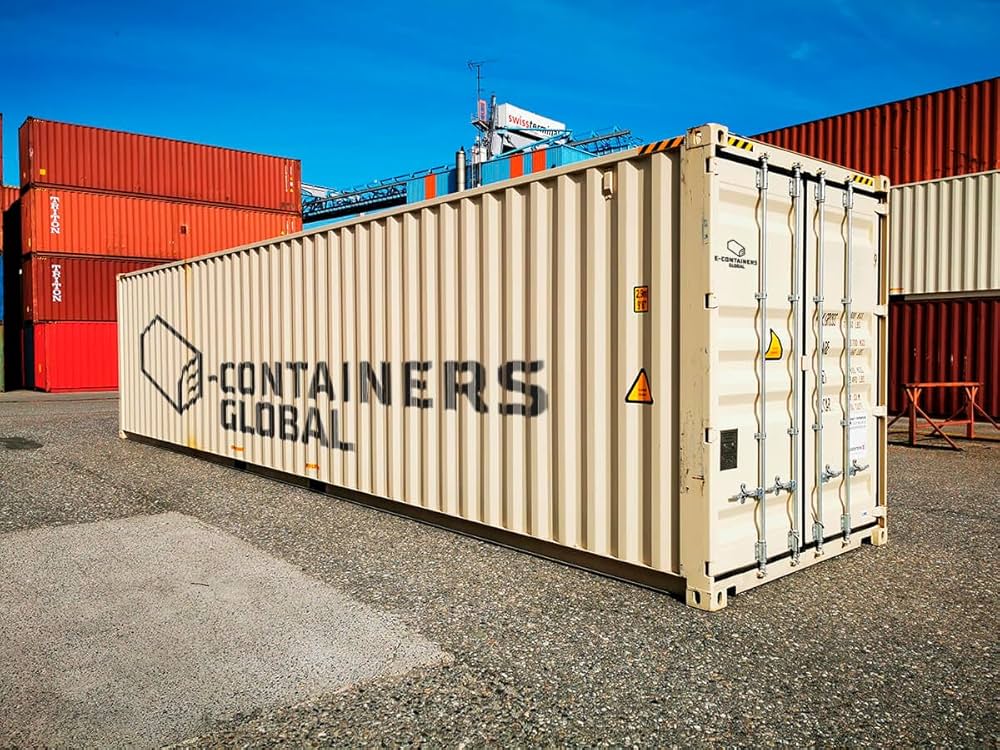
Modification Possibilities
While standard Shipping containers are commonly made use of, countless customization opportunities exist to meet particular needs in dimension and arrangement. Customers can opt for various sizes, sizes, and elevations, permitting them to choose containers that fit their space requirements. Additionally, some manufacturers supply specialized arrangements, such as open-top containers for tall cargo or refrigerated systems for temperature-sensitive items. Personalization can additionally consist of alterations like side doors for simpler gain access to or strengthened frameworks for included longevity. These modifications allow organizations to optimize their storage and transport solutions, ensuring that each container serves its designated objective successfully. Ultimately, personalized choices boost functionality, making personalized Shipping containers a practical selection for diverse logistical difficulties.
Stackability and Ease of access
One of the crucial benefits of Shipping containers lies in their stackability and ease of access, which improve their versatility in different logistical operations. Containers are developed to be conveniently piled, enabling ideal usage of vertical space in Shipping backyards and stockrooms. This function not just makes best use of storage space performance yet also simplifies the transport procedure, as multiple containers can be safely loaded onto vehicles or vessels. Containers come in various dimensions and configurations, such as conventional, high-cube, or open-top, catering to varied freight demands. Availability is more sustained by standard handling equipment, making it possible for quick loading and unloading. These features guarantee that companies can effectively handle their supply while adjusting to changing demands in Shipping and storage.
Insulation and Environment Control
When thinking about making use of Shipping containers for numerous applications, insulation and environment control end up being vital variables to guarantee comfort and performance. Correct insulation helps keep a stable inner temperature level, shielding materials from severe outside conditions. This is especially vital for containers made use of in areas with fluctuating climates or for storing temperature-sensitive items.
Various insulation materials, such as foam, fiberglass, and reflective barriers, can be used, each offering unique benefits (New Shipping Containers). Additionally, incorporating air flow systems will certainly promote air circulation, minimizing moisture and preventing mold development
Climate control options, including heating and cooling systems, can additionally improve the usability of Shipping containers as living or functioning rooms. Executing these steps not only boosts the general environment inside the container however additionally expands the life expectancy of its contents. Assessing insulation and environment control features is necessary when buying new Shipping containers for ideal efficiency.
Modification and Alterations
Customization and adjustments play an essential duty in improving the functionality of Shipping containers. Purchasers frequently check out numerous design alternatives to suit their particular demands, from easy alterations to considerable renovations. Essential adjustments can include changes for insulation, windows, and access points, making sure the container fulfills the intended function effectively.
Style Choices Available
While Shipping containers are mostly designed for transportation, their adaptability permits for a vast range of style options via personalization and alterations. Buyers can pick from various sizes, including typical 20-foot and 40-foot containers, to fit specific needs. In addition, containers can be equipped with home windows, doors, and ventilation systems to improve functionality. Interior formats can be customized for various functions, such as storage, office, or retail atmospheres. Buy New Shipping Containers. Aesthetic attributes, like paint shades and branding, can likewise be customized to enhance aesthetic allure. Moreover, structural adjustments, such as reinforced floor covering or insulation, can be implemented to boost durability and energy performance. Inevitably, these design alternatives allow customers to develop a shipping container that lines up with their practical and visual requirements
Necessary Modifications Required
Before a delivery container can be effectively made use of for its intended objective, necessary alterations are frequently needed to enhance capability and warranty viability. Typical adjustments consist of adding air flow systems to stop wetness buildup, installing doors and windows for availability, and strengthening the structure for included resilience. Additionally, insulation may be required for temperature-sensitive products, while electrical setups can promote lighting and power demands. Custom shelving and racking systems can optimize storage effectiveness. Painting or applying weather-resistant coverings can secure against ecological components. These alterations not just enhance functional effectiveness yet additionally ensure that the container meets particular governing criteria and consumer demands, inevitably adding to the general performance of the Shipping service.
Structural Honesty and Safety Functions
When buying Shipping containers, architectural honesty and safety attributes are vital factors to consider. Buyers have to validate that the containers are constructed from sturdy products, commonly corten steel, which provides resistance to rust and weather components. The design must include enhanced corners and architectural frames to endure hefty loads and stacking throughout transportation.
Additionally, safety and security functions such as secure locking systems and ventilation systems are crucial for avoiding and shielding components dampness accumulation. Purchasers should additionally assess flooring toughness and check for any potential hazards, such as sharp edges or sticking out parts.
It is advisable to evaluate containers for indicators of damages, consisting of corrosion or architectural defects, which could compromise safety and security and integrity. By prioritizing these factors, buyers can verify that their Shipping containers not only meet their logistical needs however also preserve security and sturdiness throughout their use lifecycle.
Cost Considerations and Budgeting
When taking into consideration the acquisition of Shipping containers, recognizing cost effects is vital for efficient budgeting. The preliminary price of the container is only one aspect; prospective buyers must also make up additional expenditures such as transport, alterations, and upkeep. Delivering container rates can vary significantly based on market, problem, and dimension demand. New containers generally regulate greater rates than utilized ones, yet they might supply better durability and less fixings.
Purchasers should additionally consider shipment expenses, which can rise and fall based on distance and logistics. Additionally, if adjustments are required for certain usages, these costs can accumulate swiftly. Developing a clear spending plan that includes all possible prices warranties that customers stay clear of overspending and can make educated decisions. Generally, in-depth financial planning is essential for making best use of the investment in Shipping containers while fulfilling operational demands efficiently.
Often Asked Questions
Just how Do I Choose the Right Shipping Container Provider?
Selecting the best Shipping container supplier involves investigating their online reputation, reviewing product high quality, comparing rates, assessing customer care, and examining service warranty choices. An informed decision guarantees trusted containers that satisfy certain requirements and performance assumptions.
What Are the Delivery Alternatives for Investing In Shipping Containers?

Exist Guarantees Readily Available for New Shipping Containers?
Yes, several manufacturers and distributors offer guarantees for brand-new Shipping containers. These guarantees commonly cover structural honesty and manufacturing flaws, supplying clients with assurance concerning the container's resilience and efficiency during its desired usage.
Exactly How Can I Guarantee My Container Is Secure Versus Burglary?
To assure container security against burglary, one must buy top notch locks, utilize protection seals, install monitoring systems, and pick well-lit, monitored storage places. Regular assessments and maintenance additionally add to boosted security and satisfaction.
What Maintenance Is Needed for Shipping Containers?
Regular maintenance for Shipping containers consists of checking for corrosion, inspecting locks and seals, cleansing interiors, ensuring proper water drainage, and dealing with any architectural damages. These techniques assist lengthen the container's lifespan and preserve its capability.
The 20-foot container generally uses a volume of about 1,172 cubic feet, while the 40-foot container offers around 2,390 cubic feet. Furthermore, there are customized containers, such as cooled systems and open-top containers, designed for certain cargo kinds. Environment control options, including heating and cooling down systems, can even more boost the functionality of Shipping containers as living or functioning areas. While Shipping containers are mostly developed for transportation, their convenience permits for a vast range of style options via modification and modifications. Distribution alternatives for buying Shipping containers usually include straight delivery to the site, curbside drop-off, or pick-up from a marked area.